
If you have ever worried about hidden vaping in a bedroom, bathroom, or shared living space, a reliable way to monitor the air can make your life much easier. A good place to start is understanding how a device like a vape detector for home actually works and what separates an average model from a dependable one. Once you see the differences, choosing the right option becomes straightforward.
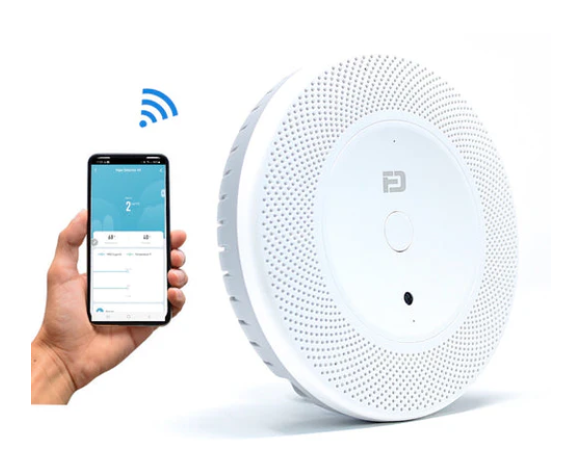
Why Homes Need Smarter Detection
Here’s the thing, vaping is quieter, faster, and easier to hide than smoking. The vapor spreads through the air quickly, and by the time you notice a scent or haze, it is already gone. This is where a vape detector for home steps in. These devices sense the chemicals and particles created when someone vapes, even when the vapor is faint.
Families use them to protect kids and teens from indoor vaping. Homeowners add them to guest rooms, basements, and garages to prevent secret use. Even landlords rely on them to keep rental units free of unwanted odors. What this really means is that a vape detector for home is no longer a niche gadget, it has become a practical tool.
How Vape Detectors Actually Work
A vape detector relies on sensors that read changes in the air. Most devices combine a few different sensing methods.
Laser particle sensing
This detects the fine mist released by vapes. The particles might be hard to see, but sensors catch the spike instantly.
Gas and chemical sensing
Some units identify specific compounds common in vape aerosols. This adds another layer of accuracy, especially in small rooms.
Humidity pattern tracking
Vape clouds briefly change humidity in a concentrated area. Smart sensors notice that pattern without confusing it with regular moisture from showers or weather.
Why this matters
A vape detector for home that uses multiple approaches will give you fewer false alarms and better coverage. That is the difference between guesswork and confidence.
Key Features You Should Look For
Let’s break it down. Not every detector is built the same, so pay attention to the features that actually improve your day to day use.
Sensitivity control
You want adjustable sensitivity. Some rooms need strong detection, others benefit from a softer setting. This prevents alerts from harmless triggers.
App alerts and notifications
The best units send a quick ping to your phone. If someone vapes in a room, you know instantly even if you are not home.
Noise or silent modes
Parents often prefer silent alerts since a noise might cause arguments or tip someone off. Others prefer a loud alarm for immediate results.
Easy installation
Look for a vape detector for home that mounts with simple screws or adhesive. You should not need tools or complicated wiring.
Power options
Battery powered models offer flexibility. Hard wired units give long term stability. Some devices combine both.
Data logs
Seeing a record of each alert is helpful. It shows patterns, and it helps you understand when and how often vaping happens.
The Difference Between Home Models and Commercial Ones
A school or office device is built for large areas and heavy traffic. For your home, you want something quieter, smaller, and more focused. Home units are tuned to detect vaping in close quarters, like hallways, bedrooms, or study areas. They react faster because indoor airflow is limited.
Commercial units often require professional installation. A standard vape detector for home, on the other hand, is ready within minutes. You stick it on a wall, link it to your phone, test it once, and you are good to go.
Common Mistakes Buyers Make
People often rush to buy without checking a few important details.
Ignoring sensor quality
Cheap models look appealing, but they miss many vape events. If the sensor cannot read ultra fine particles, you do not get dependable detection.
Forgetting about placement
Mounting a detector too close to a window or vent weakens accuracy. The vapor escapes before the unit can catch it. The best spots are central walls or ceilings where air movement is natural.
Overlooking the alert style
Some users only want phone alerts. Others want both noise and app notification. If you choose the wrong type, you might get frustrated later.
Buying a unit without real testing
A vape detector for home should list verified testing data. If the brand never mentions calibration or accuracy ranges, that is a red flag.
Where to Place Your Detector for Best Results
Think of airflow like a soft current moving through the room.
• Bedrooms work best when the detector sits near the doorframe or on the ceiling
• Bathrooms do well with a unit above the mirror area
• Hallways often need a detector placed slightly off center
• Living rooms benefit from wall placement halfway between the ceiling and floor
One device can cover a small home. Bigger homes may need two or three depending on layout.
How a Detector Changes Daily Life
You start noticing fewer strange odors. The uncertainty disappears. Teenagers think twice before trying anything indoors. Guests respect your space because they know you monitor the air quality. And you no longer feel like you have to patrol the house or confront anyone without proof.
A vape detector for home essentially becomes a quiet supervisor, always watching the air but never intruding on your routine.
A Final Thought, Without Calling It a Conclusion
Picture the moment someone tries to sneak a quick vape in a closed room and the detector picks it up within seconds. Instead of guessing or stressing, you already have the information you need. That simple shift is why these devices matter more than people expect.

