

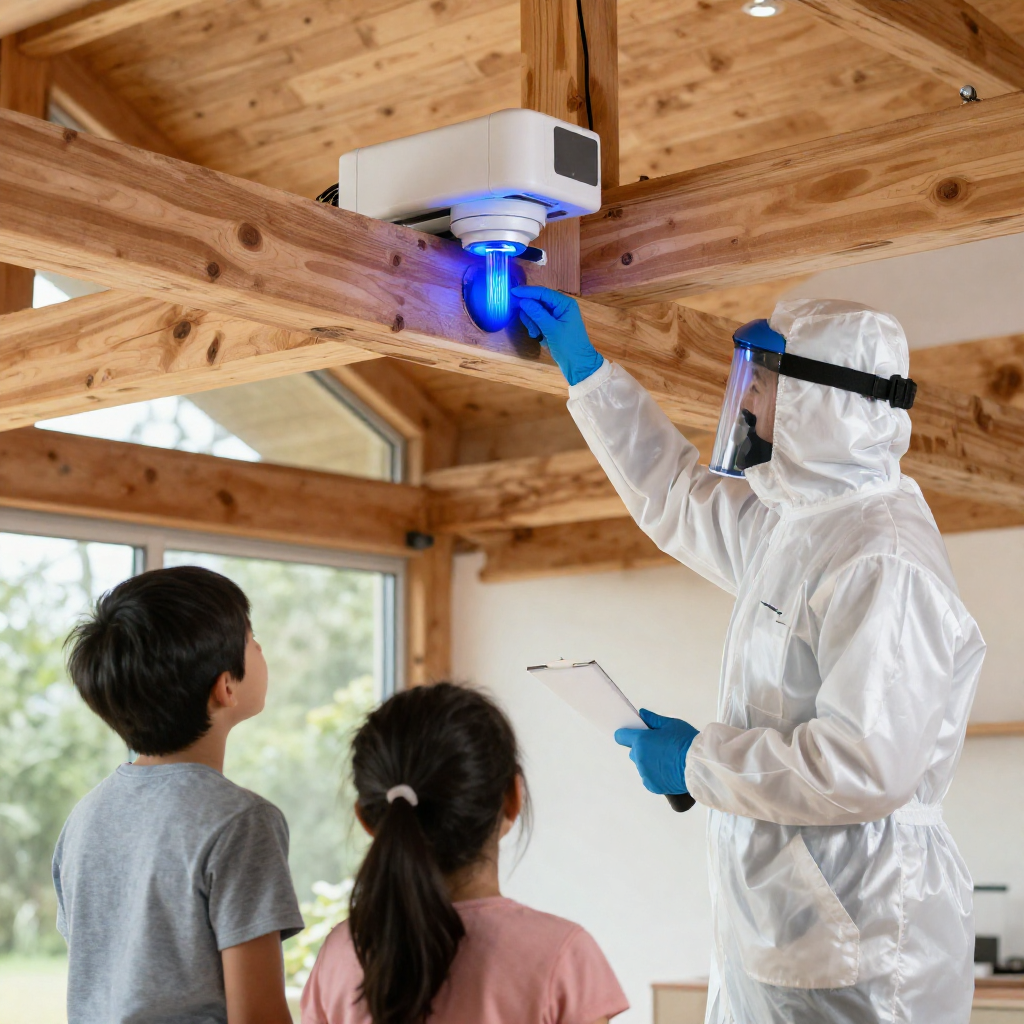
As awareness of environmental sustainability continues to grow, homeowners and businesses are increasingly seeking pest control solutions that are both effective and environmentally responsible. While traditional pest control methods have successfully protected homes and buildings for decades, many rely on chemical pesticides that some property owners prefer to minimize or avoid when practical.
Today, a wide range of eco-friendly pest control methods are available. These approaches focus on preventing infestations, reducing chemical use, and protecting people, pets, wildlife, and the environment. Among the most innovative solutions is microwave woodworm treatment, which uses controlled heat instead of chemical insecticides to eliminate wood-boring insects hidden inside timber.
In this guide, we’ll explore the most effective eco-friendly alternatives to traditional pest control, explain how they work, compare their advantages, and help you determine which approach may be best for your property.
Why More People Are Choosing Eco-Friendly Pest Control
Modern homeowners are becoming more conscious of how pest control methods affect their homes and the environment.
Many people prefer treatments that:
- Reduce chemical use.
- Leave no harmful residues.
- Protect indoor air quality.
- Minimize environmental impact.
- Preserve valuable building materials.
- Support sustainable property maintenance.
While professional chemical treatments remain effective and appropriate in many situations, environmentally friendly alternatives are becoming increasingly popular.
What Is Eco-Friendly Pest Control?
Eco-friendly pest control refers to methods that reduce or eliminate reliance on synthetic pesticides while effectively managing pest populations.
These methods often combine:
- Heat treatment
- Moisture control
- Physical exclusion
- Preventive maintenance
- Monitoring and early detection
- Integrated pest management (IPM)
Rather than focusing only on eliminating pests, eco-friendly strategies also address the conditions that allow infestations to develop.
1. Microwave Woodworm Treatment
One of the most advanced eco-friendly technologies for timber preservation is microwave woodworm treatment.
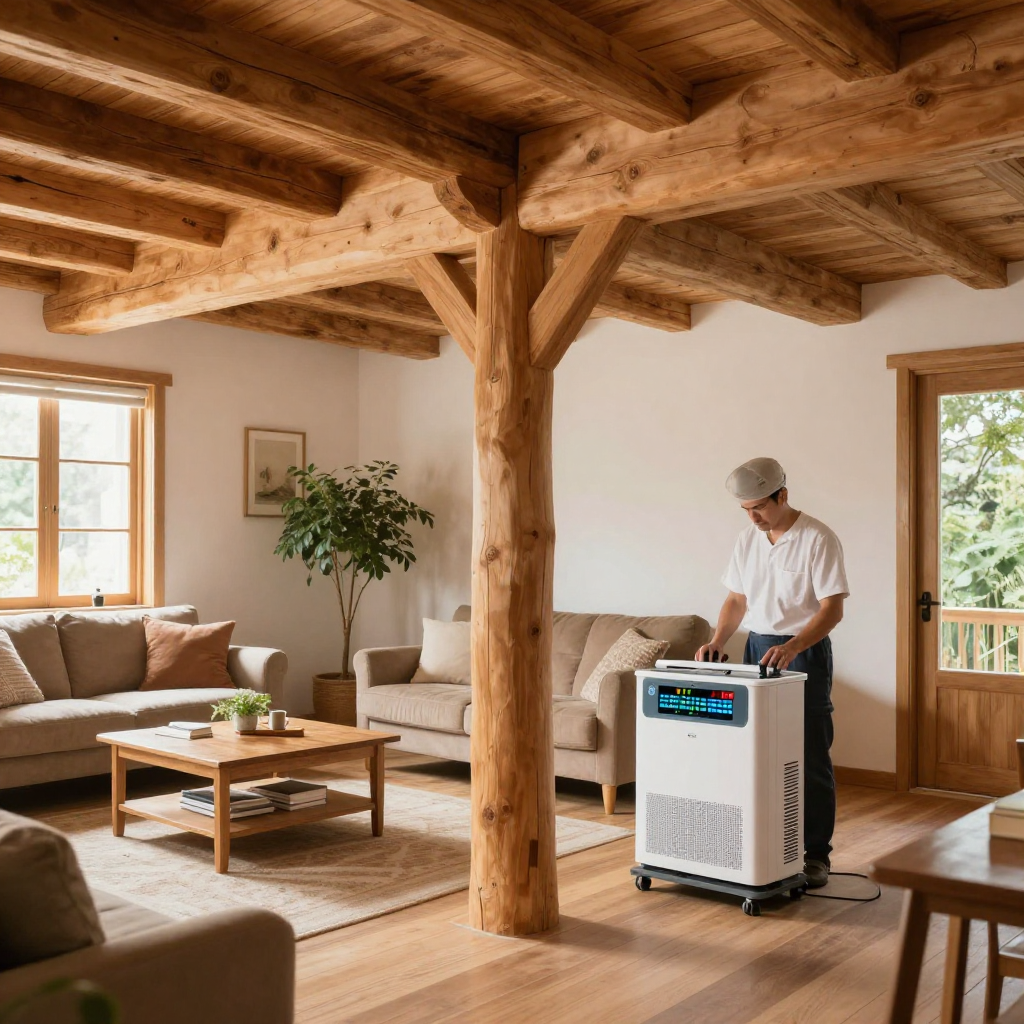
Instead of applying insecticides, professional microwave equipment generates controlled heat inside timber using electromagnetic energy.
This process, known as dielectric heating, raises the wood’s internal temperature to approximately 55–60°C (131–140°F), eliminating:
- Woodworm larvae
- Beetle eggs
- Pupae
- Adult wood-boring beetles
Benefits
- No chemical pesticides
- No chemical residues
- Targeted treatment
- Suitable for heritage buildings
- Environmentally friendly
- Minimal disruption
Microwave treatment is especially valuable for localized infestations affecting structural timber and antique furniture.
2. Integrated Pest Management (IPM)
Integrated Pest Management (IPM) is a long-term strategy that combines multiple pest control techniques while minimizing pesticide use.
An IPM program may include:
- Regular inspections
- Monitoring pest activity
- Identifying pest species
- Improving sanitation
- Sealing entry points
- Using targeted treatments only when necessary
Because it focuses on prevention, IPM is widely regarded as one of the most sustainable approaches to pest management.
3. Moisture Control
Many wood-boring insects are attracted to damp timber.
Reducing moisture can significantly lower the risk of infestation.
Helpful measures include:
- Repair roof leaks promptly.
- Improve attic ventilation.
- Fix plumbing leaks.
- Maintain gutters.
- Reduce indoor humidity.
- Improve drainage around foundations.
Dry timber is much less attractive to woodworm and many other pests.
4. Physical Exclusion
Preventing pests from entering a building is often more effective than treating an infestation later.
Common exclusion methods include:
- Sealing cracks.
- Repairing damaged wood.
- Installing door seals.
- Covering ventilation openings with suitable mesh.
- Closing gaps around utility pipes.
These simple improvements can help reduce future infestations without using chemicals.
5. Regular Timber Inspections
Early detection allows small problems to be addressed before extensive damage develops.
Professional timber inspections may identify:
- Fresh exit holes
- Powdery frass
- Moisture problems
- Structural deterioration
- Early beetle activity
Routine inspections are particularly important for older properties and heritage buildings.
6. Responsible Timber Maintenance
Well-maintained timber is naturally more resistant to biological damage.
Good maintenance includes:
- Applying suitable finishes where appropriate.
- Repairing damaged wood promptly.
- Replacing severely decayed sections when necessary.
- Improving ventilation around structural timber.
- Preventing long-term moisture accumulation.
Maintaining existing timber also reduces unnecessary waste.
Why Microwave Treatment Stands Out
Among modern eco-friendly treatments, microwave technology offers several unique advantages.
Chemical-Free
No insecticides are required.
Internal Heating
Heat is generated inside the timber where woodworm larvae live.
No Chemical Residues
The treatment leaves no pesticide residue on wooden surfaces.
Suitable for Valuable Timber
Microwave treatment is frequently considered for:
- Heritage buildings
- Museums
- Churches
- Antique furniture
- Historic timber structures
where preserving original materials is important.
Reduced Environmental Impact
Because chemicals are not applied, microwave treatment supports environmentally responsible building maintenance.
Eco-Friendly Treatment vs. Traditional Chemical Treatment
| Feature | Eco-Friendly Microwave Treatment | Traditional Chemical Treatment |
|---|---|---|
| Uses Pesticides | No | Yes |
| Leaves Chemical Residues | No | Usually yes |
| Uses Heat | Yes | No |
| Environmental Impact | Lower | Moderate |
| Suitable for Heritage Buildings | Often | Depends on the product |
| Localized Treatment | Excellent | Good |
Both methods remain valuable, and the most suitable option depends on the property, infestation, and professional assessment.
Benefits Beyond Pest Control
Eco-friendly pest management also supports broader sustainability goals.
Reduced Waste
Preserving existing timber minimizes demolition and replacement.
Better Indoor Environment
Avoiding unnecessary pesticide use can improve indoor comfort.
Long-Term Prevention
Addressing moisture and maintenance issues reduces future infestations.
Conservation
Historic buildings can often retain more original materials.
Are Eco-Friendly Methods Always the Best Choice?
Not necessarily.
The most appropriate treatment depends on factors such as:
- Pest species
- Severity of infestation
- Accessibility
- Timber condition
- Building construction
- Conservation requirements
In some situations, professional chemical treatments may still be the most practical solution. In others, heat-based or integrated approaches may be preferable.
A qualified pest control or timber preservation specialist can recommend the best strategy based on your property’s specific needs.
Common Myths About Eco-Friendly Pest Control
Myth 1: Eco-Friendly Means Less Effective
Fact: Many eco-friendly methods, including professional microwave woodworm treatment and integrated pest management, can be highly effective when properly applied.
Myth 2: Natural Methods Require No Maintenance
Fact: Regular inspections, moisture control, and good building maintenance remain essential regardless of the treatment method.
Myth 3: Chemical Treatments Should Always Be Avoided
Fact: Professional chemical treatments continue to be valuable tools in pest management. The most suitable approach depends on the infestation and property conditions.
When Should You Contact a Professional?
Professional advice is recommended if:
- Fresh frass continues appearing.
- New exit holes develop.
- Structural timber is affected.
- Valuable antique furniture is infested.
- You prefer an eco-friendly treatment.
- You’re unsure which pest control method is appropriate.
A qualified timber preservation specialist can inspect your property, identify the infestation, and recommend the most effective and environmentally responsible solution.
Conclusion
Eco-friendly alternatives to traditional pest control are becoming increasingly popular as homeowners seek safer, more sustainable ways to protect their properties. Methods such as microwave woodworm treatment, integrated pest management, moisture control, and preventive maintenance offer effective solutions while reducing reliance on chemical pesticides. These approaches not only help eliminate pests but also preserve valuable timber, minimize environmental impact, and support long-term property maintenance.
Although traditional chemical treatments remain effective in many situations, modern eco-friendly technologies provide property owners with more choices than ever before. By combining professional inspections, early detection, moisture management, and appropriate treatment methods, you can protect your home while supporting a healthier environment.Visit online https://www.shashel.eu for more details .


Leave a Reply