

Finding the right home design takes time, especially in fast developing areas where families want comfort, efficiency, and long term value. Many homeowners are now exploring modular homes because they offer quicker construction timelines, flexible layouts, and practical pricing. As interest continues to grow in communities like Urban 3 Adelaide, more people are learning how modular construction can fit modern lifestyles while still allowing room for customization.
Understanding How Modular Homes Are Built
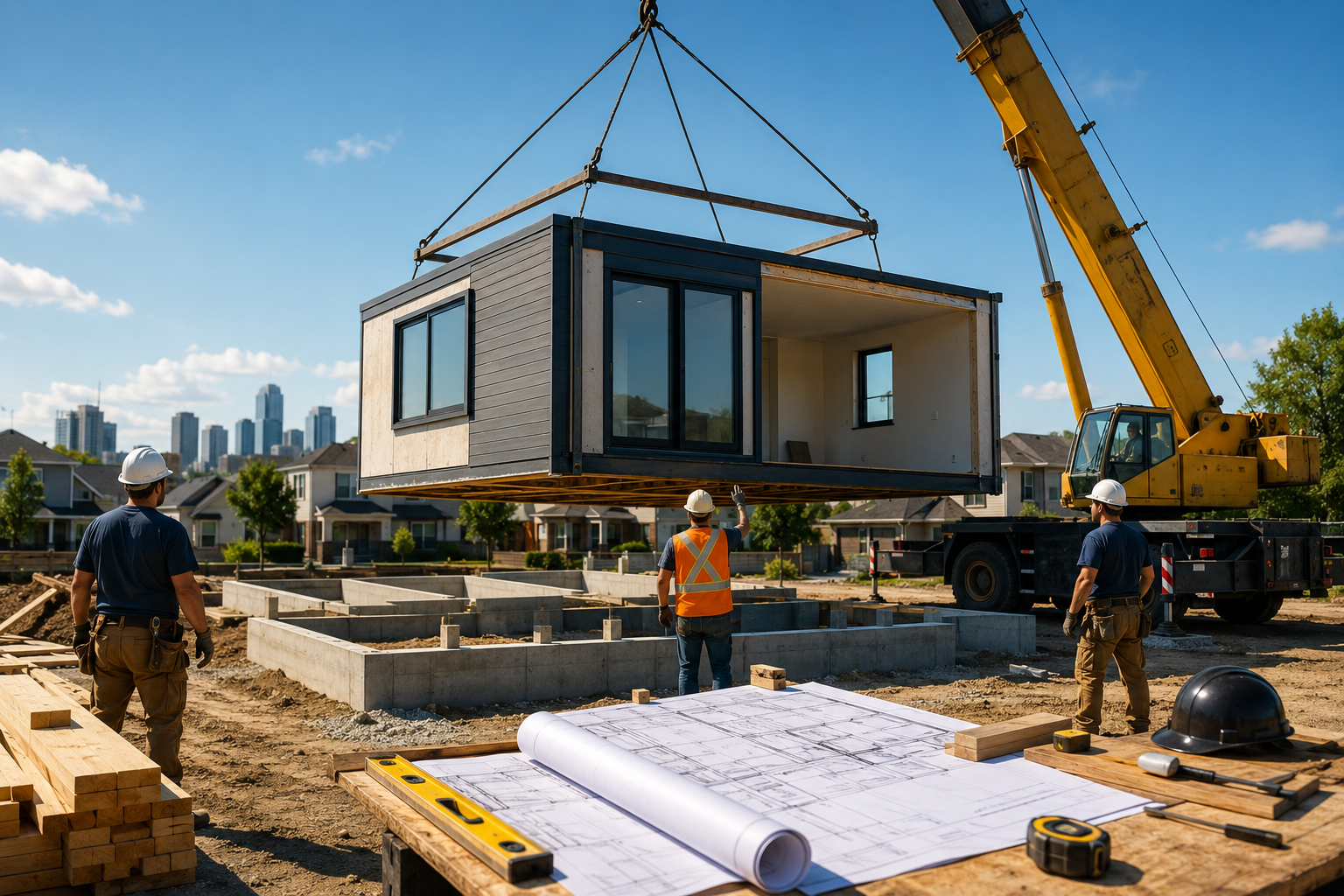
A modular home is created in sections inside a factory setting. Each section is carefully constructed before being transported to the final property location for assembly. Unlike traditional homes that are built entirely on-site, modular homes reduce weather delays and improve construction efficiency.
Builders create each module using strict quality standards, which helps maintain consistency throughout the process. Once delivered, the sections are placed on a permanent foundation and connected together to form a complete home.
This construction method has become increasingly popular because it combines speed with durability. Many modular homes also look identical to traditional houses once completed.
Why More Homeowners Are Choosing Modular Construction
Modern buyers often want homes that balance affordability with functionality. Modular homes meet those expectations in several ways.
Faster Construction Timelines
One major advantage is reduced build time. Since construction happens indoors, rain and harsh weather conditions usually do not interrupt progress. Site preparation and factory construction can also happen at the same time, helping projects move faster.
For families planning a move or investors looking to develop property quickly, this shorter timeline can make a big difference.
Better Cost Management
Traditional construction projects sometimes face unexpected delays and material waste. Modular construction helps reduce those issues because factory environments are more controlled.
This often leads to:
- Lower labor expenses
- Reduced material waste
- Fewer weather related setbacks
- More predictable project budgets
Homeowners appreciate knowing costs earlier in the process, especially when planning financing and property development.
Energy Efficient Features
Energy efficiency matters more than ever for modern households. Many modular homes include upgraded insulation, efficient windows, and smart layout planning that can help reduce utility bills.
These features may include:
- Improved wall insulation
- Energy saving lighting
- High performance windows
- Better temperature control systems
Lower energy use not only helps reduce monthly costs but also supports sustainable living goals.
Customization Options Continue to Expand
Some people assume modular homes come with limited designs, but modern builders offer a wide range of customization choices.
Homeowners can often select:
- Floor plans
- Exterior finishes
- Roofing styles
- Kitchen layouts
- Bathroom designs
- Flooring materials
This flexibility allows buyers to create homes that fit both personal preferences and practical needs.
Growing neighborhoods are especially benefiting from modular construction because developers can build attractive homes efficiently while maintaining visual appeal across communities.
Financing a Modular Home
Financing is an important part of the planning process. Many lenders provide loans for modular homes, though requirements may vary depending on location and builder certifications.
Before starting construction, homeowners should research:
Land Purchase Costs
The price of land can significantly affect the total project budget. Buyers should also consider site preparation expenses such as grading, utility installation, and permits.
Construction Loans
Some lenders offer specialized construction loans that later convert into traditional mortgages after the home is completed.
Insurance Requirements
Insurance coverage may differ during transportation and assembly stages. Understanding these details early can help avoid delays later.
Working with experienced lenders who understand modular construction can make the process much smoother.
Building Codes and Local Regulations
Every region has building regulations that must be followed. Modular homes typically need to meet the same standards as site built homes.
Important factors include:
- Local zoning rules
- Foundation requirements
- Utility connections
- Transportation permits
- Safety inspections
Before purchasing a modular design, homeowners should confirm that the chosen layout complies with local codes and neighborhood guidelines.
In expanding residential areas, proper planning helps ensure projects move forward without unnecessary complications.
Transportation and Site Preparation Matter
Because modular homes are delivered in sections, transportation logistics are a major consideration.
Builders must evaluate:
- Road access to the property
- Delivery route limitations
- Crane access for assembly
- Site leveling needs
Proper preparation allows installation teams to place the modules efficiently and safely.
The foundation also plays a key role. A strong permanent foundation ensures long term structural stability and helps the home perform like any traditional residence.
Modular Homes Versus Manufactured Homes
Many people confuse modular homes with manufactured homes, but they are different construction types.
Modular Homes
- Built to local residential building codes
- Installed on permanent foundations
- Often appreciate similarly to traditional homes
- Can include highly customized designs
Manufactured Homes
- Built according to federal housing standards
- Usually constructed on a permanent chassis
- May have different financing rules
- Often designed for transport flexibility
Understanding these differences helps buyers choose the right option for their goals and property plans.
Ideal for Modern Urban Development
As cities continue expanding, modular construction offers solutions for both homeowners and developers. Faster project completion allows communities to grow more efficiently while still maintaining quality standards.
Modern modular homes work well for:
- Family neighborhoods
- Investment properties
- Compact urban lots
- Growing residential developments
- Sustainable housing projects
Their adaptable nature makes them attractive for a wide range of buyers looking for practical housing solutions without sacrificing comfort or appearance.
Features Buyers Commonly Look For
Homeowners today often prioritize features that improve both daily living and long term property value.
Popular modular home features include:
- Open living spaces
- Large kitchen islands
- Energy efficient appliances
- Home office areas
- Outdoor entertainment spaces
- Smart storage solutions
Builders continue introducing modern layouts that match changing lifestyle needs, especially as remote work and flexible living arrangements become more common.
Choosing the Right Builder
Selecting an experienced modular home builder is one of the most important decisions in the process.
Buyers should review:
- Previous project portfolios
- Customer reviews
- Licensing information
- Warranty coverage
- Construction timelines
Clear communication throughout the project helps homeowners stay informed from design planning to final installation.
With thoughtful preparation and the right team, modular homes can provide a practical and efficient path toward modern homeownership in growing communities.




Leave a Reply